
Shoulder

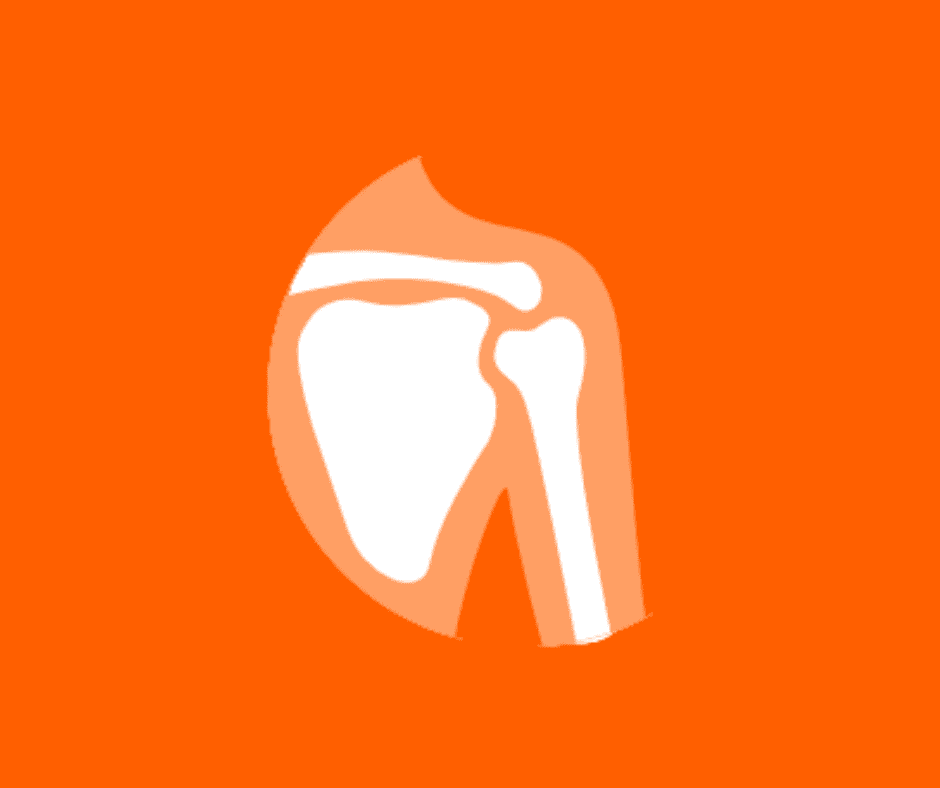
An orthopedic shoulder specialist understands your heavy daily reliance on the shoulder. Indeed, this joint’s complex structure allows crucial arm mobility for accomplishing many tasks. Functionally, several different joints actually form the entire shoulder complex, adding to its intricacy.
However, the main joint primarily connects the humerus (upper arm bone) to the glenoid fossa. Notably, the glenoid fossa is part of your shoulder blade structure. Furthermore, vital soft tissues like ligaments and muscles actively surround this key joint. Together, these structures, also including tendons and cartilage, provide essential support and dynamic stability.
 View Common Conditions
Common Sources of Shoulder Pain
Indeed, numerous factors can directly cause shoulder pain or injury. Furthermore, identifying the specific underlying cause is crucial first. Fortunately, while a single cure may not fit every issue, effective treatments are available. Therefore, an orthopedic shoulder specialist offers various effective treatment options. Specifically, these options address many common shoulder conditions and injuries.
- Inflammation, like tendinitis, which refers to the inflammation of a tendon, can be a source of shoulder pain. Around the shoulder, this can involve the rotator cuff, biceps, or other tendons that are close to or cross over the shoulder joint.
- Bursitis is another possible cause of pain. While tendinitis refers to an inflammation of a tendon, bursitis is the inflammation of the bursa, which is a fluid-filled sac around the joint area meant to provide cushion and decrease friction.
- Other conditions, like arthritis, can impact the cartilage inside of the joint, which can lead to stiffness, pain, or limitations in range of motion. The cartilage inside of the joint may also be torn or injured for other reasons, such as during a collision or sport. Collisions or falls may also result in a fracture or dislocation.
- If ligaments or muscles are stressed or injured, this is often called a sprain (for a ligament) or strain (for a muscle).
- Another possible cause of shoulder pain is called impingement, which means a structure around the joint is getting pinched or has pressure placed on it by another structure.
Common Shoulder Conditions




Common Shoulder Treatments
If you are feeling persistent pain, it’s important to seek professional help. Initially, professionals like your primary care physician (PCP) or a physical therapist can assist. Alternatively, you might consult an Orthopedic Shoulder Specialist, especially one serving the Central Ohio area. Critically, these experts work to identify the pain’s specific cause. Subsequently, they help you explore suitable treatment options.
- Physical therapy is a common first line of treatment for those dealing with shoulder pain. A physical therapist will evaluate your pain in order to identify a possible diagnosis. Then, they will collaborate with you to put together a plan of action.
- These plans often include exercises, and they can also include manual treatments like soft tissue mobilization or electrical stimulation to provide pain relief. The goals of physical therapy often include decreasing pain and/or inflammation, increasing range of motion, improving muscle strength, and, depending on the condition, it may also include lifestyle or home modifications as well as education as needed.
- A physician may prescribe medications or injections, as well. These medications are often meant to reduce pain or inflammation, and they may be used in addition to other treatments, like physical therapy. In some cases, surgery may be discussed or recommended as a treatment option.
Possible Treatments for Shoulder Conditions
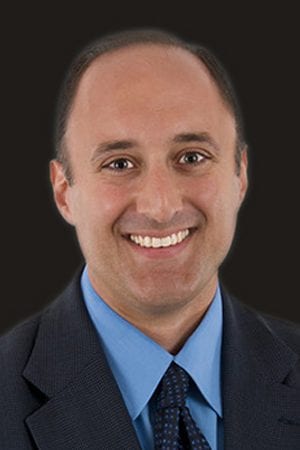
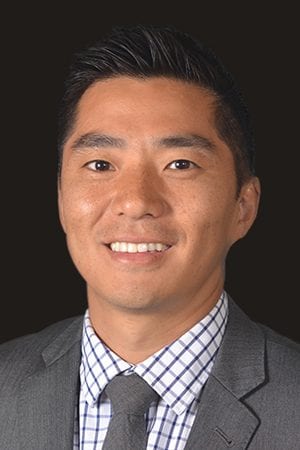
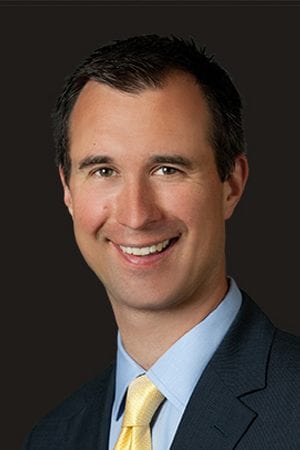
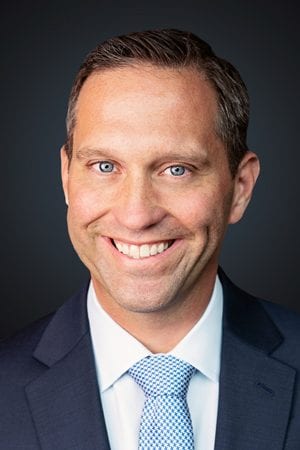
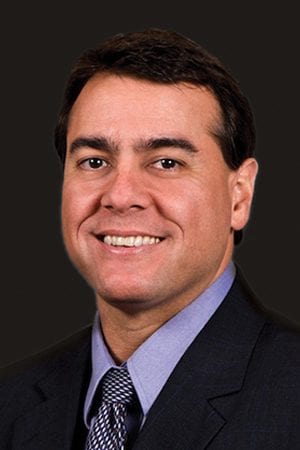
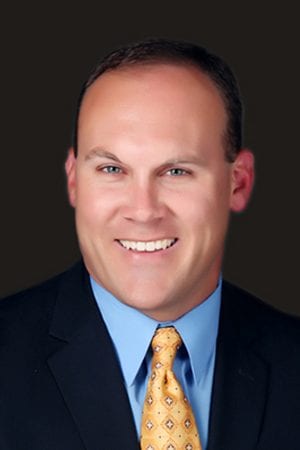
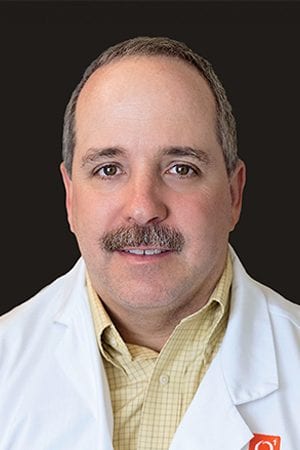
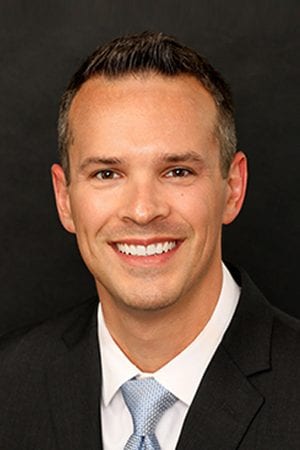
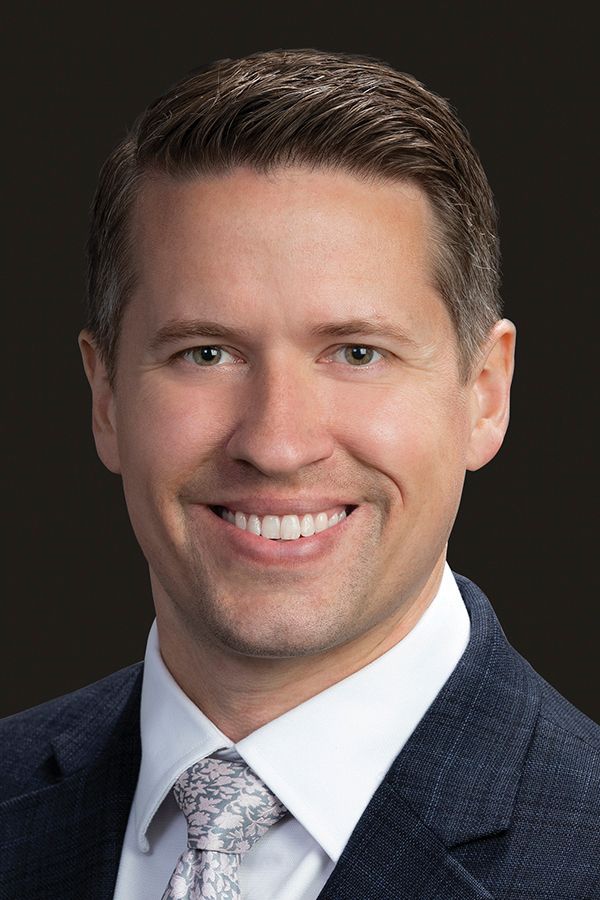
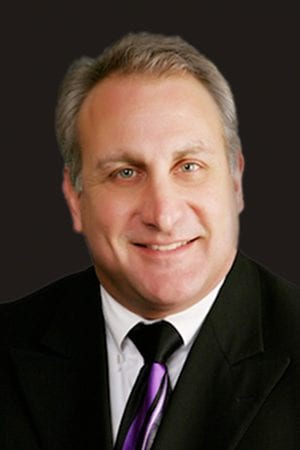
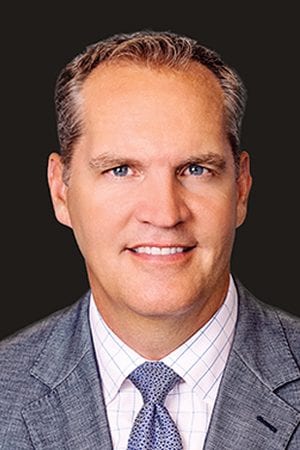
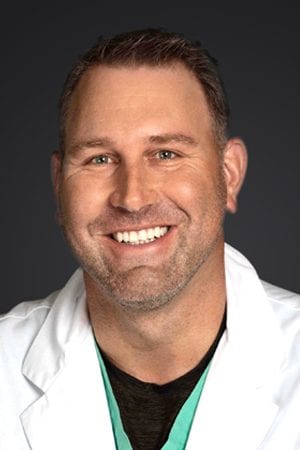
OUR SHOULDER SPECIALISTS
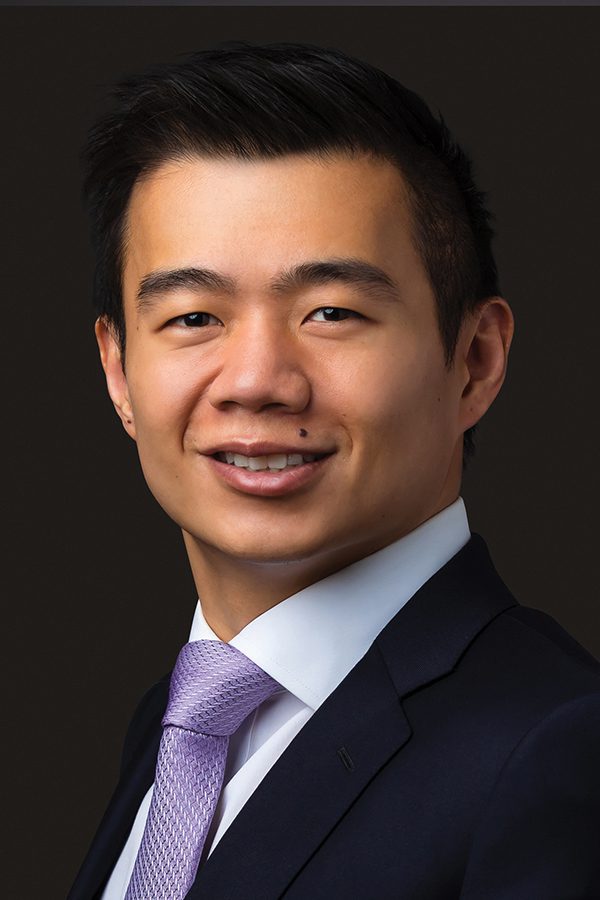
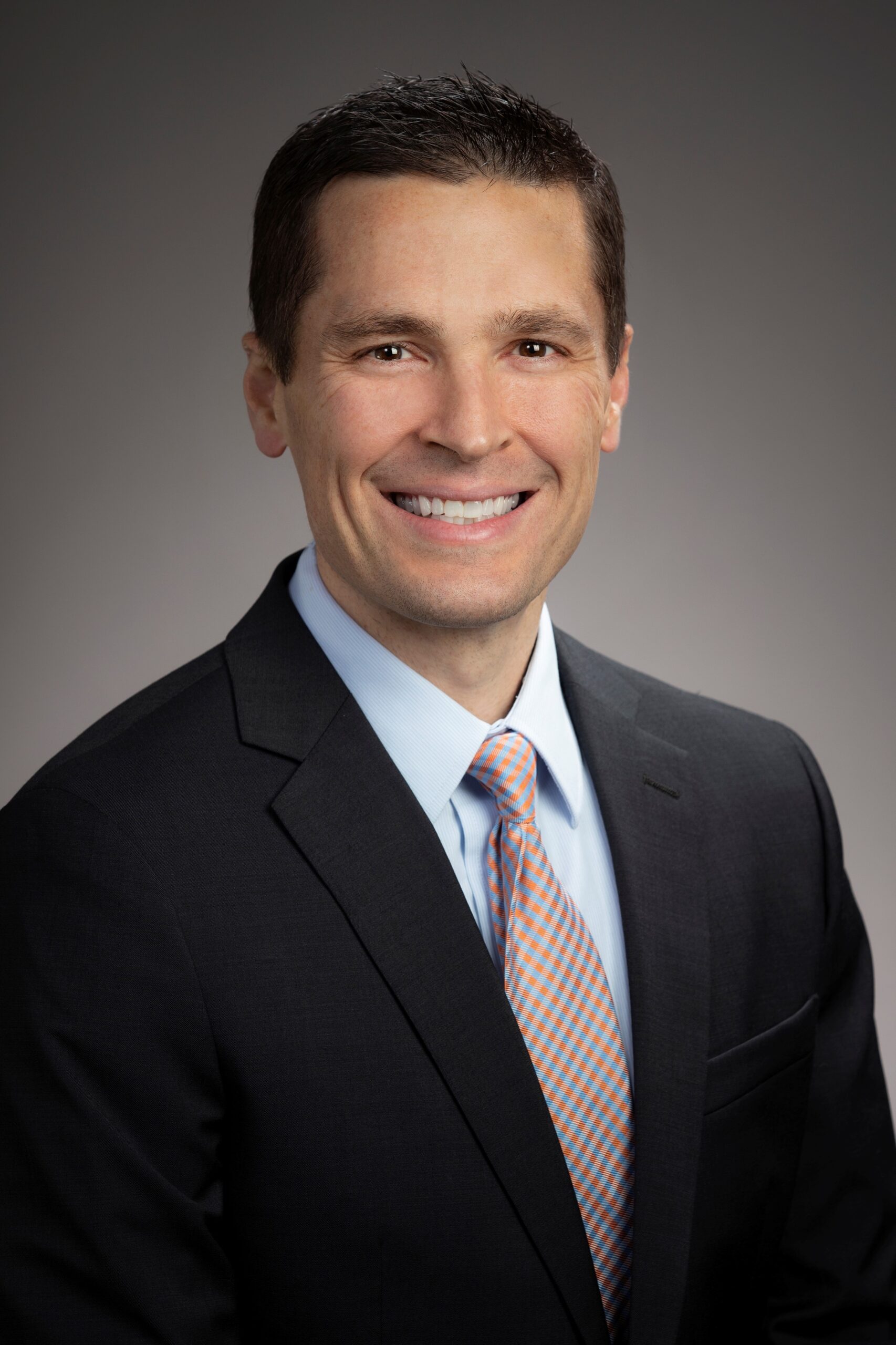
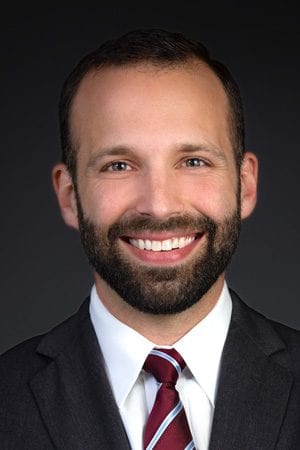
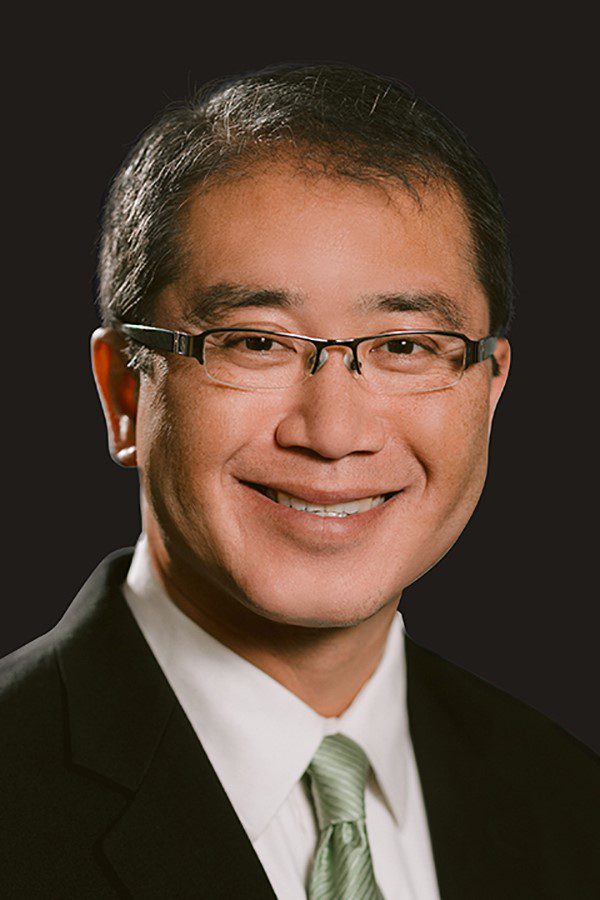
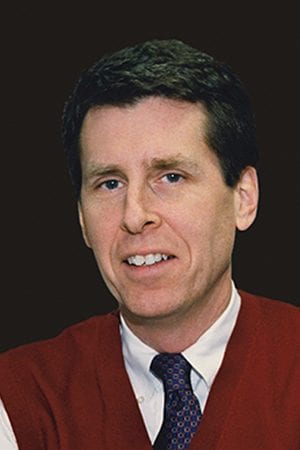
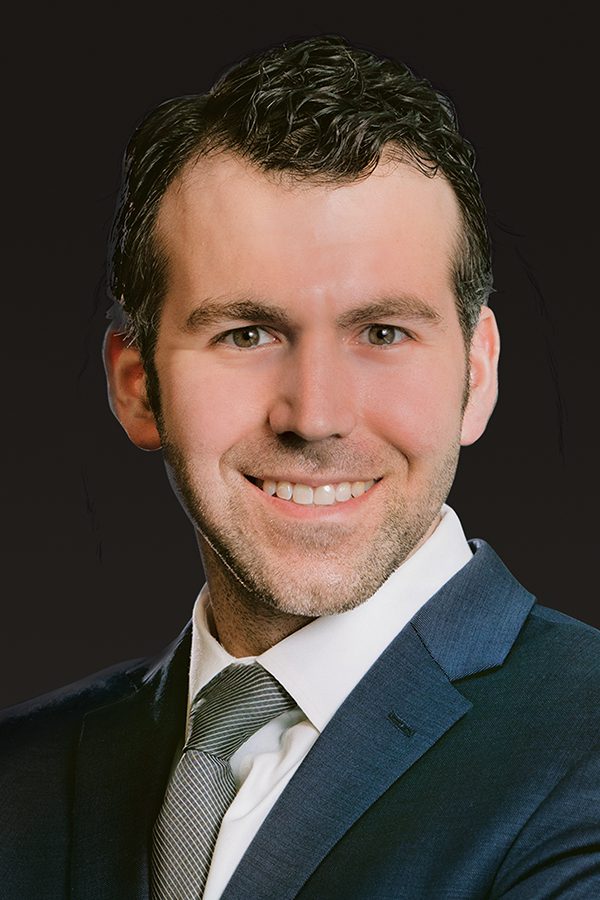
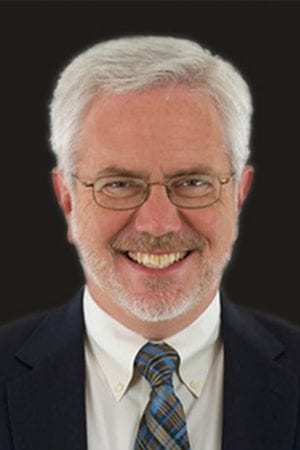
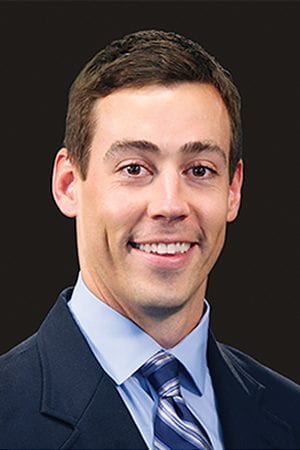
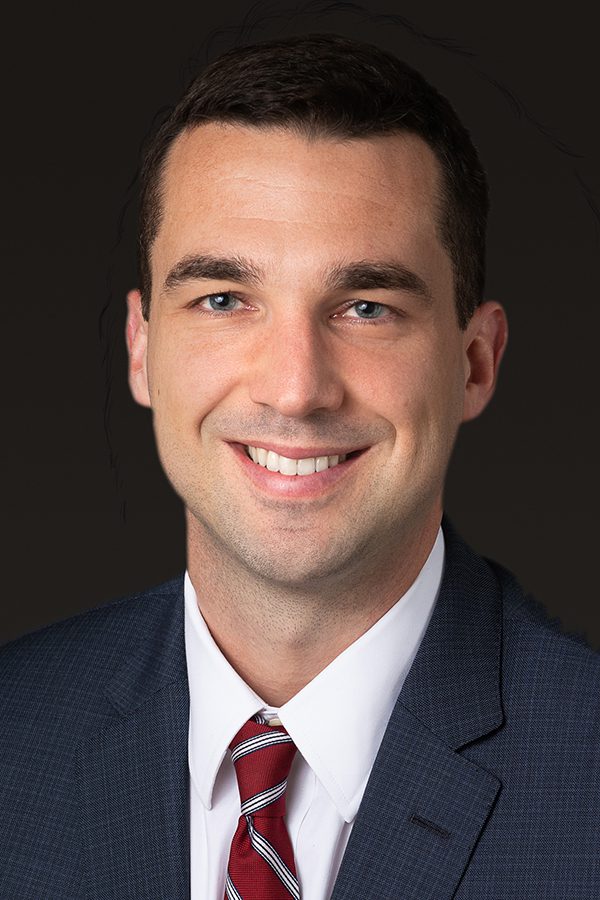
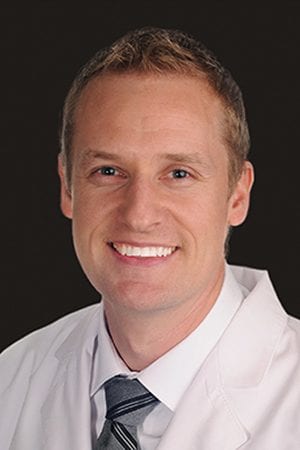
At Orthopedic ONE, our team of shoulder surgeons is one of world class quality. With fellowship training in basic arthroscopic shoulder surgeries to advanced shoulder replacement surgery, reverse shoulder replacement surgery, rotator cuff repair surgery and reconstruction procedures, when you choose a shoulder surgeon at Orthopedic ONE, you are in highly qualified and experienced hands. If you are experiencing shoulder pain, call Orthopedic ONE today and let us help you get back to enjoying your life.







These lists are not inclusive of all conditions and procedures. In order to obtain a complete and accurate diagnosis, a physician should assess your individual situation. Following diagnosis, your physician will discuss appropriate treatment options with you – both surgical and non-surgical. Schedule an appointment with an Orthopedic ONE physician.
Related Blog Articles
Ranked #1 in Ohio and Top 5 in the Nation for Orthopedics
No Pain, More Game: Pickleball the Smart Way
Wear, Tear & Shoulder Care: Understanding Rotator Cuff Injuries
Orthopedic ONE named #1 in Ohio and #3 in the Nation for Orthopedics, Again!
From Head to Toe: Resolutions for Musculoskeletal Health
Understanding Chronic Shoulder Instability: Safeguard Your Shoulder Health
Swing Strong: A Guide to Biomechanics and Injury Prevention in Golf
Orthopedic ONE named #1 in Ohio, and #3 in the Nation for Orthopedics
THE RIGHT BACKPACK FOR BACK TO SCHOOL
Orthopedic ONE physicians showcase a live shoulder surgery and complimentary lecture at Ohio BWC Medical & Health Symposium
LIGHTEN YOUR LOAD: TIPS TO PREVENT LUGGAGE-RELATED NECK, BACK, AND SHOULDER INJURIES
An In-Depth Look at Shoulder Replacements

An In-Depth Look at Shoulder Instability
Orthopedic ONE Welcome Scott Shemory, M.D.
Is Outpatient Total Joint Replacement Right for You?
Columbus Monthly features “Weekday Warrior” Tips from Orthopedic ONE
Blue Jackets Defenseman Set for Surgery with Dr. Larry Watson
Orthopedic ONE Announces New Grove City Location
Shoulder Frequently Asked Questions
When should I see an orthopedic specialist?
Consider seeing an orthopedic specialist when pain persists, limits your movement or interferes with daily activities. A specialist can identify the cause and discuss surgical and nonsurgical treatment options. Traumatic bone or joint injuries caused by an accident or fall may require immediate orthopedic trauma and fracture care.
What is the difference between an orthopedic surgeon and a sports medicine physician?
An orthopedic surgeon treats conditions affecting the bones, joints, muscles, ligaments and tendons and can perform surgery when necessary. Sports medicine focuses on preventing and rehabilitating activity-related injuries.
Orthopedic ONE’s sports medicine program includes primary care sports medicine physicians, fellowship-trained orthopedic surgeons, athletic trainers and physical therapists. The right provider depends on the condition and whether surgical expertise may be needed.
How do I know if I have a rotator cuff tear?
Lingering shoulder pain or pain that keeps you awake at night may be a sign of a rotator cuff tear, particularly in adults over 40. Tendinitis, bursitis, arthritis and shoulder impingement can also cause pain, so an orthopedic shoulder specialist should determine the underlying cause.
Can physical therapy help me avoid surgery?
Yes. Physical therapy is often a first-line treatment for musculoskeletal pain and injuries. A treatment plan may include therapeutic exercise, manual treatment, pain-relief techniques, activity changes and injury-prevention education.
For some patients with osteoarthritis, physical therapy and other conservative treatments may help delay or avoid joint-replacement surgery. Learn more about Orthopedic ONE’s approach to joint preservation.