
Patient Resources

Kelley Clem, M.D.
Primary Care Sports Medicine
View all Reviews
View Related Patient Stories
Dr. Kelley Clem is a family practice physician with fellowship training in Sports Medicine. Treating patients of all ages, Dr. Clem understands sport specific needs and the importance of personalized training. With an additional focus on injury prevention.
Dr. Kelley Clem is a family practice physician with fellowship training in Sports Medicine. Treating patients of all ages, Dr. Clem understands sport specific needs and the importance of personalized training. With an additional focus on injury prevention.
Dr. Clem is frequently found lecturing to youth athletic organizations, clubs, and schools on topics such as proper nutrition, training, conditioning, and recovery. Since 2017, he has been included in the list of Best Doctors in America®, published by Columbus Business First.
Dr. Clem enjoys cycling. He is married with two children.
Dr. Clem’s areas of specialty include:
- Sports Medicine
- Shoulder, Elbow, Hand & Knee Disorders
- Sports Performance
- Cycling Medicine


Commonly Treated Conditions
- Chronic Lateral Ankle Pain
- Achilles Tendon – Tear, Rupture, Injury
- Turf Toe
- Golfer’s Elbow (Medial Epicondylitis)
- Tennis Elbow – Lateral Epicondylitis
- Throwing Injuries
- Hip Pain
Commonly Performed Procedures

Clinic Locations
Surgery Locations
Education
-
Undergraduate:
Southern Illinois University -
Medical School:
The Ohio State University -
Orthopedic Residency :
Riverside Methodist Hospital -
Fellowship:
Primary Care Sports Medicine, The Ohio State University -
Board Certification:
American Board of Family Medicine
Titles, Honors & Awards
-
Title
Team Physician for Moro Cycling - Cycling Team -
Awards
Castle Connolly Top Doctors - Best Doctors 2017-2019
Associations
- Ohio State Medical Association (OSMA)
- American Academy of Family Practice (AAFP)
- American College of Sports Medicine (ACSM)
- American Medical Society of Sports Medicine (AMSSM)
Research & Teaching
-
Clinical Educator
Riverside Family Practice, Dublin Family Medicine , St. Ann's Sports Medicine , Ohio University DO School -
Research
Presenter at top associations including the American College of Sports Medicine
Patient Reviews
Related Blog Articles

Ranked #1 in Ohio and Top 5 in the Nation for Orthopedics

Your Playbook for Peak Performance

A Closer Look at Hand Therapy: What to Expect and Why It Makes a Difference at Orthopedic ONE

From Garden to Golf Course: Protecting Your Hands & Wrists This Spring

Sitting Pretty: Maintaining Hip Health as a Desk Worker

Orthopedic ONE Physicians Named Top Doctors®

From Head to Toe: Resolutions for Musculoskeletal Health

Protecting Your Joints: The Link Between Diabetes and Orthopedic Health

From Pain to Performance: How Orthopedic ONE Treats Knee Conditions
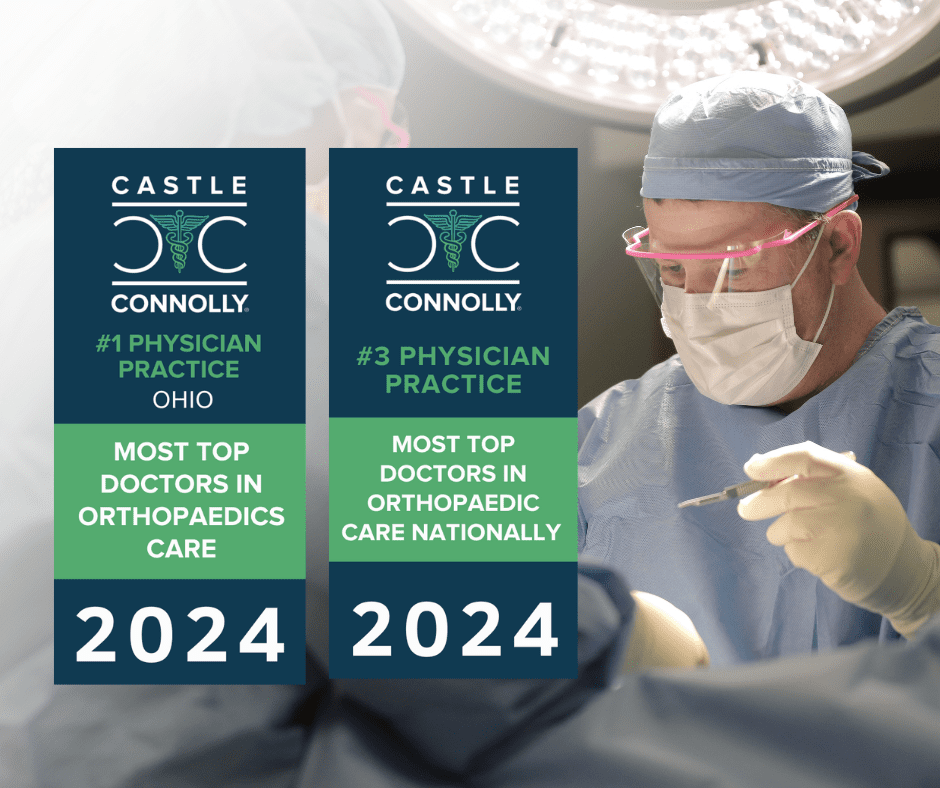
Orthopedic ONE named #1 in Ohio, and #3 in the Nation for Orthopedics
52 ORTHOPEDIC ONE PHYSICIANS NAMED TO COLUMBUS TOP DOCTORS® AND RISING STARS® LIST
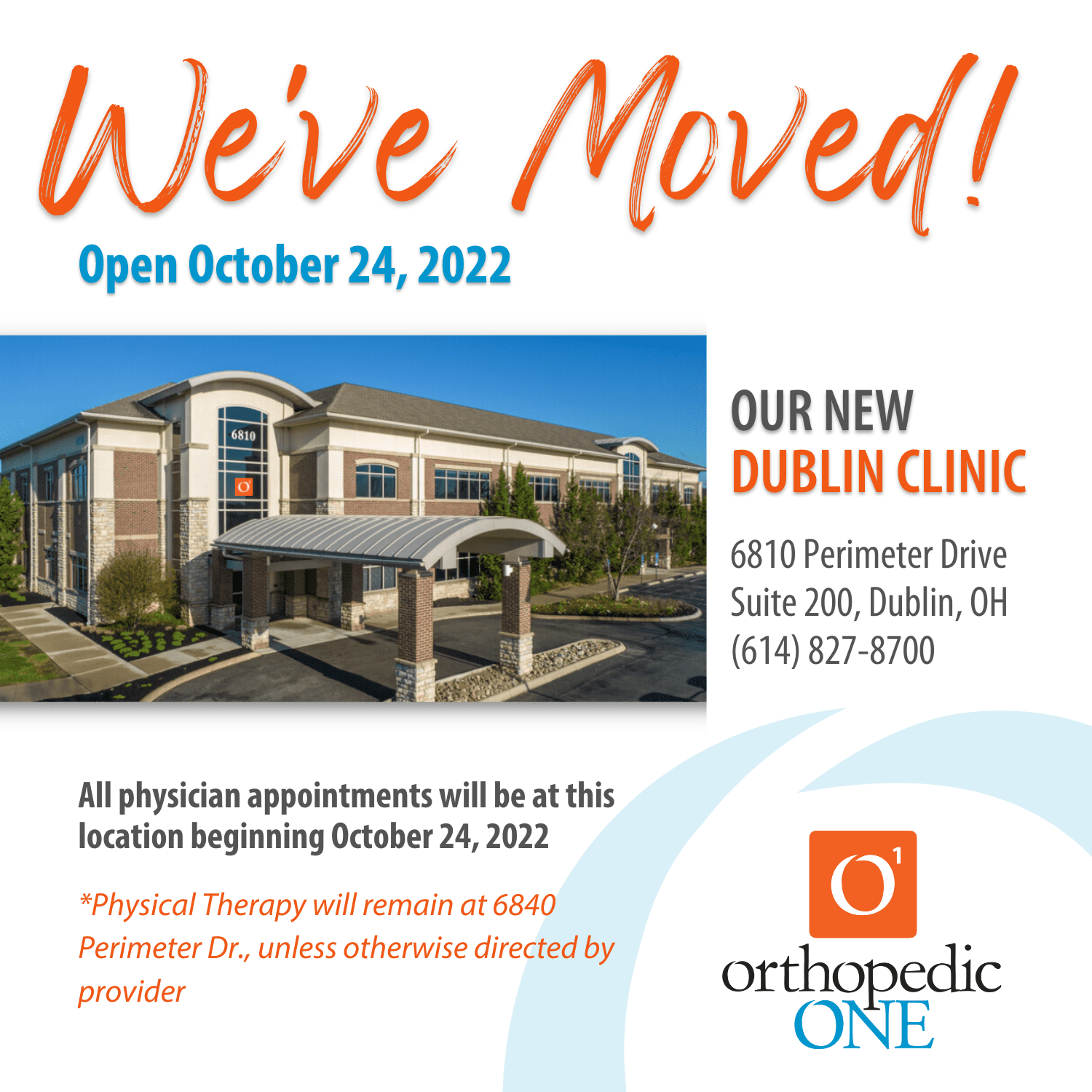
NEW ADDRESS AND NEW PROVIDERS IN DUBLIN

Orthopedic ONE physicians named to both Top Doctors and Best Doctors® lists 2019
Orthopedic ONE physicians named to both Top Doctors and Best Doctors® lists 2018
Orthopedic ONE physicians voted 2017-18 Best Doctors in America®
Frequently Asked Questions
What is the difference between an orthopedic foot and ankle surgeon and a podiatrist?
Orthopedic foot and ankle surgeons are doctors – MDs or DOs who have completed four years of medical school, five to six years of surgical residency and an additional year of fellowship training in foot and ankle care. By comparison, a podiatrist (or DPM) is required to complete four years of podiatry school, followed by two years of residency training.
As a result of this rigorous training, orthopedic foot and ankle surgeons are not only well qualified to care for both common and complex foot and ankle issues, but possess extensive knowledge of the entire human body and its relationship to lower extremity issues. While pain may present in your foot, it’s not uncommon for the root cause of this pain to originate in your hips or back. A comprehensive understanding of the body’s entire musculoskeletal system allows an orthopedic foot and ankle surgeon to take the context of your entire health into account when diagnosing and treating problems.
Click here for a complete list of Orthopedic ONE fellowship-trained foot and ankle surgeons.
When should I see an orthopedic specialist?
Consider seeing an orthopedic specialist when pain persists, limits your movement or interferes with daily activities. A specialist can identify the cause and discuss surgical and nonsurgical treatment options. Traumatic bone or joint injuries caused by an accident or fall may require immediate orthopedic trauma and fracture care.
What is the difference between an orthopedic surgeon and a sports medicine physician?
An orthopedic surgeon treats conditions affecting the bones, joints, muscles, ligaments and tendons and can perform surgery when necessary. Sports medicine focuses on preventing and rehabilitating activity-related injuries.
Orthopedic ONE’s sports medicine program includes primary care sports medicine physicians, fellowship-trained orthopedic surgeons, athletic trainers and physical therapists. The right provider depends on the condition and whether surgical expertise may be needed.
What causes knee pain when going up or down stairs?
Pain while using stairs may need an individual evaluation because several knee conditions can cause similar symptoms. Orthopedic ONE’s knee specialists diagnose and treat conditions associated with overuse, patellofemoral pain syndrome, patellar tendinitis, muscle strains, ligament sprains, arthritis and cartilage injuries.
Can a torn meniscus heal without surgery?
Not every meniscus tear automatically requires surgery. Orthopedic ONE offers both surgical and nonsurgical treatment options for meniscus tears. A knee specialist can evaluate the location and nature of the injury and recommend an appropriate treatment plan. Learn more about the conditions treated by Orthopedic ONE’s knee specialists.
What are the symptoms of an ACL tear?
An ACL injury can destabilize the knee and may cause instability during sports or everyday activities. Sports such as soccer, volleyball, basketball, and lacrosse place repeated stress on the ACL due to frequent jumping and changing direction. However, ACL injuries are rarely caused by contact and are not limited to competitive athletes. Adults can experience ACL tears during recreational activities, low-intensity sports, and even awkward falls. Because other knee injuries can cause similar problems, an evaluation is needed for an accurate diagnosis. Orthopedic ONE’s sports medicine specialists treat ACL injuries and other activity-related knee conditions.
How do I know if I have a rotator cuff tear?
Lingering shoulder pain or pain that keeps you awake at night may be a sign of a rotator cuff tear, particularly in adults over 40. Tendinitis, bursitis, arthritis and shoulder impingement can also cause pain, so an orthopedic shoulder specialist should determine the underlying cause.
What are the treatment options for knee arthritis?
Nonsurgical treatment options may include personalized exercise, weight management, physical therapy, activity modification, corticosteroid injections and nonsteroidal anti-inflammatory drugs.
Depending on the extent of joint damage, other options may include biologic therapies, cartilage restoration, osteotomy, partial knee replacement or total knee replacement. Orthopedic ONE’s joint preservation specialists work to preserve the natural joint and delay replacement whenever appropriate.