
Patient Resources
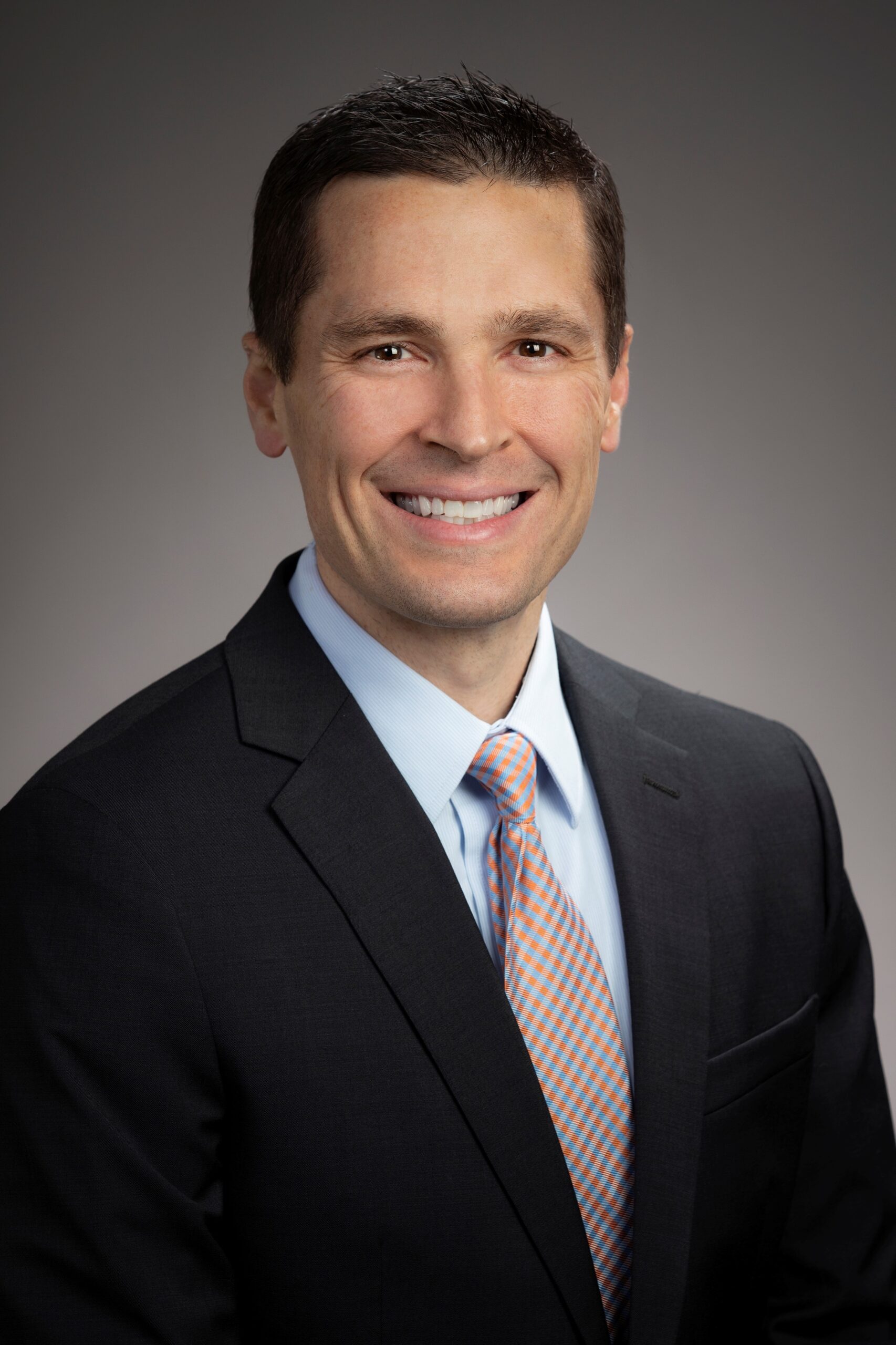
Dr. Craig N. Dimitris is fellowship trained in hand, upper extremity and microvascular surgery. In addition to his general orthopedic training, Dr. Dimitris has advanced training in the treatment of conditions and injuries from the shoulder extending to the fingertips, including shoulder replacement surgery, rotator cuff surgery and microvascular surgery.
Raised in Cleveland, Ohio, Dr. Dimitris earned the majority of his medical training in central Ohio. A graduate of The Ohio State University College of Medicine, he completed his orthopedic residency with Mount Carmel Health System.
Dr. Dimitris sees patients at the Grove City and Hilliard offices. “My wife and I fell in love with Columbus during our medical education and we are both pleased to practice here.” says Dr. Dimitris. He resides in Dublin with his wife and children.


Commonly Treated Conditions
- Carpal Tunnel Syndrome
- Cubital Tunnel Syndrome | Ulnar Neuropathy
- de Quervain’s Syndrome | de Quervain’s Tendinitis
- Dupuytren’s Contractures
- Hand Fractures
- Hand and Wrist Arthritis
Commonly Performed Procedures

Clinic Locations
Surgery Locations
Education
-
Undergraduate :
Miami University -
Medical School:
The Ohio State University School of Medicine -
Orthopedic Residency:
Mount Carmel Health System -
Fellowship:
Hand, Upper Extremity and Microvascular Surgery, SUNY Upstate Medical University
Titles, Honors & Awards
-
Awards
Castle Connolly Top Doctors - Mount Carmel Grove City Outstanding Physician 2019
Associations
- American Academy of Orthopedic Surgery (AAOS)
- American Society for Surgery of the Hand (ASSH)
- Ohio State Medical Association (OSMA)
Research & Teaching
-
Clinical Educator
St. Ann's Family Practice, Ohio University DO School -
Research
Published writer in the medical community including the Journal of Orthopedic Surgery and Research
Patient Reviews
Related Blog Articles

Ranked #1 in Ohio and Top 5 in the Nation for Orthopedics

A Closer Look at Hand Therapy: What to Expect and Why It Makes a Difference at Orthopedic ONE

From Garden to Golf Course: Protecting Your Hands & Wrists This Spring

Orthopedic ONE Physicians Named Top Doctors®

From Head to Toe: Resolutions for Musculoskeletal Health
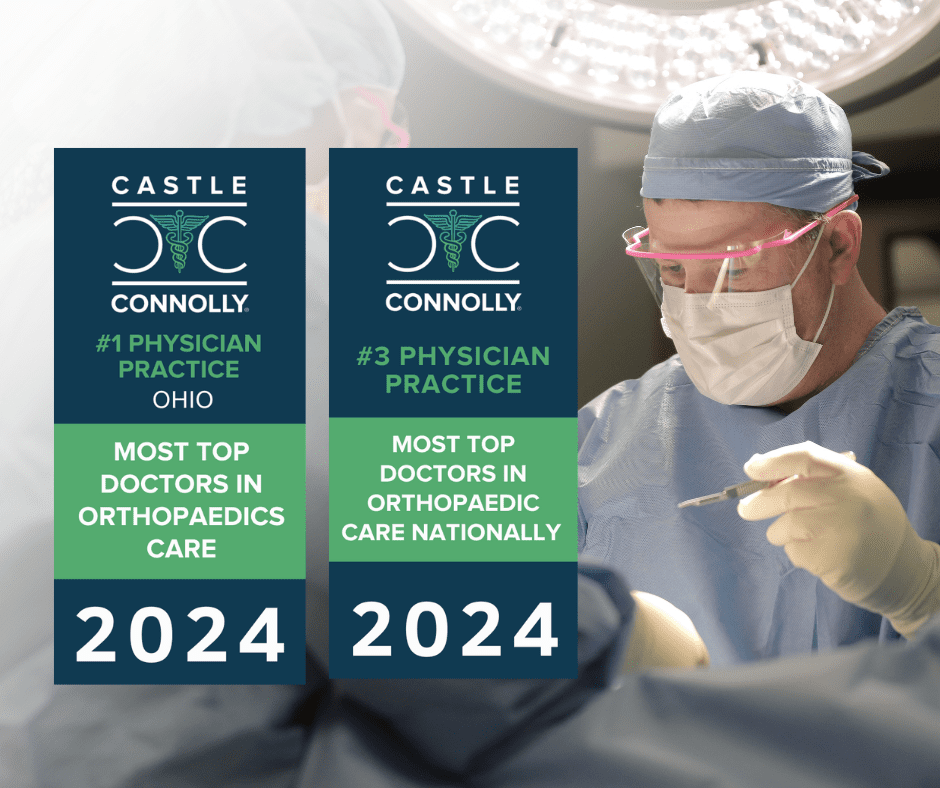
Orthopedic ONE named #1 in Ohio, and #3 in the Nation for Orthopedics
52 ORTHOPEDIC ONE PHYSICIANS NAMED TO COLUMBUS TOP DOCTORS® AND RISING STARS® LIST

An In-Depth Look at Carpal Tunnel Syndrome
Dr. Craig Dimitris named Outstanding Physician
Craig Dimitris, M.D. Awarded Teacher of the Year
Orthopedic ONE Announces New Grove City Location
Frequently Asked Questions
When should I see an orthopedic specialist?
Consider seeing an orthopedic specialist when pain persists, limits your movement or interferes with daily activities. A specialist can identify the cause and discuss surgical and nonsurgical treatment options. Traumatic bone or joint injuries caused by an accident or fall may require immediate orthopedic trauma and fracture care.
What is the difference between an orthopedic surgeon and a sports medicine physician?
An orthopedic surgeon treats conditions affecting the bones, joints, muscles, ligaments and tendons and can perform surgery when necessary. Sports medicine focuses on preventing and rehabilitating activity-related injuries.
Orthopedic ONE’s sports medicine program includes primary care sports medicine physicians, fellowship-trained orthopedic surgeons, athletic trainers and physical therapists. The right provider depends on the condition and whether surgical expertise may be needed.
How do I know if I have a rotator cuff tear?
Lingering shoulder pain or pain that keeps you awake at night may be a sign of a rotator cuff tear, particularly in adults over 40. Tendinitis, bursitis, arthritis and shoulder impingement can also cause pain, so an orthopedic shoulder specialist should determine the underlying cause.
Can physical therapy help me avoid surgery?
Yes. Physical therapy is often a first-line treatment for musculoskeletal pain and injuries. A treatment plan may include therapeutic exercise, manual treatment, pain-relief techniques, activity changes and injury-prevention education.
For some patients with osteoarthritis, physical therapy and other conservative treatments may help delay or avoid joint-replacement surgery. Learn more about Orthopedic ONE’s approach to joint preservation.