
Patient Resources
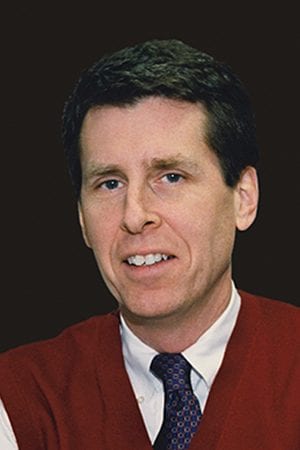
DR. FISCHER RETIRED 7/31/2026.
Richard A. Fischer, M.D.
Shoulder and Elbow
View all Reviews
View Related Patient Stories
Dr. Richard A. Fischer specializes in disorders of the shoulder, sports medicine and general orthopedics.
Dr. Fischer completed his medical school education and his residency at the University of Vermont. He completed his internship at the University of Arizona and a fellowship in shoulder surgery at The New York Orthopedic Hospital at Columbia Presbyterian Medical Center in New York City.
Dr. Fischer is set to retire 7/31/2026
Dr. Richard A. Fischer specializes in disorders of the shoulder, sports medicine and general orthopedics.
Dr. Fischer completed his medical school education and his residency at the University of Vermont. He completed his internship at the University of Arizona and a fellowship in shoulder surgery at The New York Orthopaedic Hospital at Columbia Presbyterian Medical Center in New York City.
Dr. Fischer is certified by the American Board of Orthopaedic Surgeons and is a member of the American Academy of Orthopaedic Surgeons. He has a number of academic appointments and honors to his credit. He was named 2011 “Teacher of the Year” by Mount Carmel Health System’s Department of Orthopaedics; twice named “Teacher of the Year” for the Division of Orthopaedic Surgery at The Ohio State University, and is a co-winner of The O’ Donoghue Award for Sports Medicine Research from the American Orthopaedic Society for Sports Medicine.
In addition to teaching, Dr. Fischer has written for a number of textbooks including a chapter on Rotator Cuff Disorders, Evaluation, and Treatment for the American Academy of Orthopaedic Surgeons Monograph series. Actively involved in the orthopedic community, Dr. Fischer has participated in a long list of presentations both individually and with colleagues on a number of orthopedic topics.


Commonly Treated Conditions
- Chronic Lateral Ankle Pain
- Achilles Tendon – Tear, Rupture, Injury
- Turf Toe
- Golfer’s Elbow (Medial Epicondylitis)
- Tennis Elbow – Lateral Epicondylitis
- Throwing Injuries
- Hip Pain
Commonly Performed Procedures

Clinic Locations
Surgery Locations
Education
-
Undergraduate:
University of Vermont -
Medical School:
University of Vermont -
Orthopedic Residency:
University of Arizona Medical Center and University of Vermont -
Fellowship:
Shoulder and Elbow Surgery, Columbia Presbyterian, New York Orthopedic Hospital -
Board Certification:
American Board of Orthopaedic Surgery
Titles, Honors & Awards
-
Title
Former Orthopedic Surgery Consultant for the Arnold Classic -
Awards
Mount Carmel Teacher of the Year 2011 - Division of Orthopedic Surgery at OSU Teacher of the Year - 2 time recipient
- The O’ Donoghue Award for Sports Medicine Research from the American Orthopedic Society for Sports Medicine
Associations
- American Academy of Orthopedic Surgeons (AAOS)
- Ohio State Medical Association (OSMA)
Research & Teaching
-
Research
Presenter and writer at top associations including Regional Cancer Research Symposium, American Orthopedic Society for Sports Medicine, American Shoulder and Elbow Surgeons, and The Journal of Shoulder and Elbow Surgery
Patient Reviews
Related Blog Articles

Ranked #1 in Ohio and Top 5 in the Nation for Orthopedics

From Head to Toe: Resolutions for Musculoskeletal Health
Frequently Asked Questions
When should I see an orthopedic specialist?
Consider seeing an orthopedic specialist when pain persists, limits your movement or interferes with daily activities. A specialist can identify the cause and discuss surgical and nonsurgical treatment options. Traumatic bone or joint injuries caused by an accident or fall may require immediate orthopedic trauma and fracture care.
What is the difference between an orthopedic surgeon and a sports medicine physician?
An orthopedic surgeon treats conditions affecting the bones, joints, muscles, ligaments and tendons and can perform surgery when necessary. Sports medicine focuses on preventing and rehabilitating activity-related injuries.
Orthopedic ONE’s sports medicine program includes primary care sports medicine physicians, fellowship-trained orthopedic surgeons, athletic trainers and physical therapists. The right provider depends on the condition and whether surgical expertise may be needed.
Can a torn meniscus heal without surgery?
Not every meniscus tear automatically requires surgery. Orthopedic ONE offers both surgical and nonsurgical treatment options for meniscus tears. A knee specialist can evaluate the location and nature of the injury and recommend an appropriate treatment plan. Learn more about the conditions treated by Orthopedic ONE’s knee specialists.
What are the symptoms of an ACL tear?
An ACL injury can destabilize the knee and may cause instability during sports or everyday activities. Sports such as soccer, volleyball, basketball, and lacrosse place repeated stress on the ACL due to frequent jumping and changing direction. However, ACL injuries are rarely caused by contact and are not limited to competitive athletes. Adults can experience ACL tears during recreational activities, low-intensity sports, and even awkward falls. Because other knee injuries can cause similar problems, an evaluation is needed for an accurate diagnosis. Orthopedic ONE’s sports medicine specialists treat ACL injuries and other activity-related knee conditions.
How do I know if I have a rotator cuff tear?
Lingering shoulder pain or pain that keeps you awake at night may be a sign of a rotator cuff tear, particularly in adults over 40. Tendinitis, bursitis, arthritis and shoulder impingement can also cause pain, so an orthopedic shoulder specialist should determine the underlying cause.
What is the difference between arthritis and a sports injury?
Osteoarthritis is a degenerative condition caused by cartilage breakdown. It can lead to chronic pain, swelling, stiffness and structural changes within a joint. Orthopedic ONE provides joint preservation treatments intended to relieve symptoms and slow joint deterioration.
Sports injuries are generally related to overuse, repetitive activity, collisions or falls. They may include strains, sprains, fractures, dislocations and tendon or ligament tears. These conditions are evaluated through Orthopedic ONE’s sports medicine program.
Can physical therapy help me avoid surgery?
Yes. Physical therapy is often a first-line treatment for musculoskeletal pain and injuries. A treatment plan may include therapeutic exercise, manual treatment, pain-relief techniques, activity changes and injury-prevention education.
For some patients with osteoarthritis, physical therapy and other conservative treatments may help delay or avoid joint-replacement surgery. Learn more about Orthopedic ONE’s approach to joint preservation.