
Patient Resources

Dr. Rahul K. Biyani is a Board Certified Orthopedic Surgeon with Fellowship training in adult Hip and Knee Replacement Surgery. He also has special interests in revision total hip and knee arthroplasty, anterior hip replacements and lower extremity fracture care.
In addition to traditional surgical methods, Dr. Biyani also utilizes Mako Robotic-Arm Assisted Technology in specific joint replacement cases.
Although a native of Washington State, Dr. Biyani has completed most of his medical training in the Midwest. In addition to his fellowship training at Indiana University School of Medicine, he earned his medical degree from Drexel University College of Medicine in Philadelphia and then completed his orthopedic residency at Akron General Medical Center in Akron, Ohio.
To view Dr. Biyani’s recent Knee Injection video for the OAFP Conference, click here.
To view videos about the Mako Robotic-Arm Assisted procedures Dr. Biyani performs, click the Patient Education tab.
Total Joint Replacement Education – Online Class Video


Commonly Treated Conditions
- Avascular Necrosis / Osteonecrosis
- Femoral Fractures
- Hip Arthritis
- Hip Pain
- Pelvic and Acetabular Fractures
Commonly Performed Procedures

Clinic Locations
Surgery Locations
Education
-
Undergraduate:
University of Washington -
Medical School:
Drexel University College of Medicine -
Orthopedic Residency:
Akron General Medical Center -
Fellowship Training:
Adult Reconstruction, Indiana University School of Medicine -
BOARD CERTIFICATION :
American Board of Orthopaedic Surgery
Titles, Honors & Awards
-
Titles
Mako SmartRobotics Specialist - Castle Connolly Top Doctors
Associations
- Ohio State Medical Association (OSMA)
Research & Teaching
-
Clinical Educator
Dublin Family Medicine -
Research
Mako SmartRobotics Hip and Knee Replacement Seminar - Presenter at top associations including Orthopedic Research Society
Patient Reviews
Related Blog Articles

Ranked #1 in Ohio and Top 5 in the Nation for Orthopedics

The Road to Recovery: Our Patient-First Approach to Hip & Knee Replacement

Sitting Pretty: Maintaining Hip Health as a Desk Worker

Orthopedic ONE Physicians Named Top Doctors®

From Head to Toe: Resolutions for Musculoskeletal Health

From Pain to Performance: How Orthopedic ONE Treats Knee Conditions
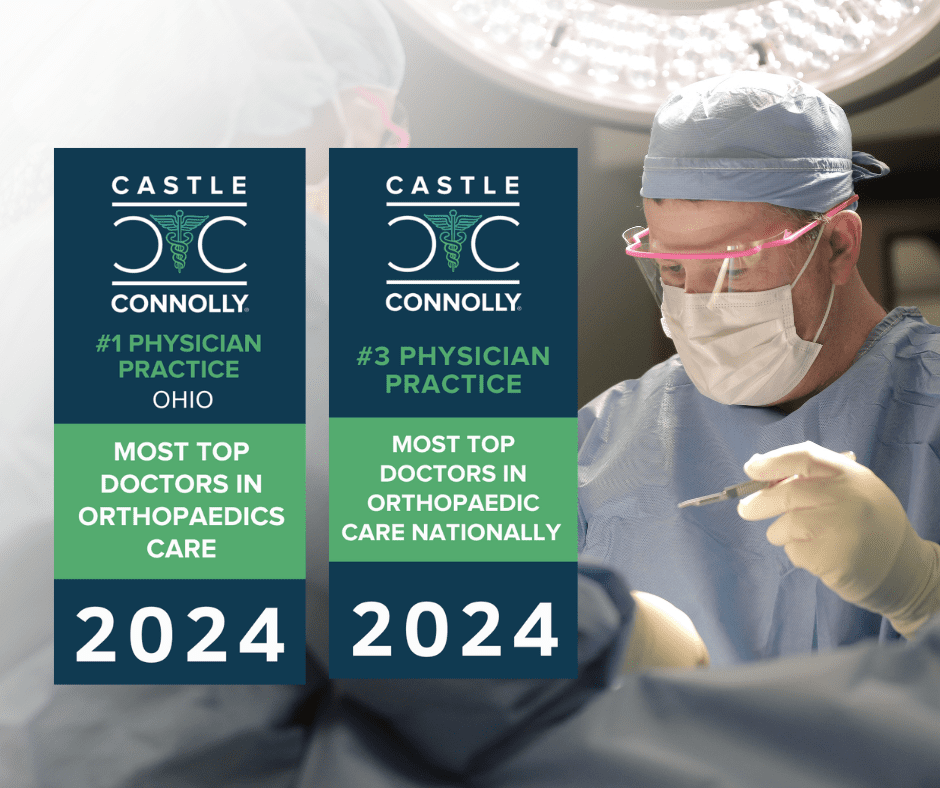
Orthopedic ONE named #1 in Ohio, and #3 in the Nation for Orthopedics

52 ORTHOPEDIC ONE PHYSICIANS NAMED TO COLUMBUS TOP DOCTORS® AND RISING STARS® LIST
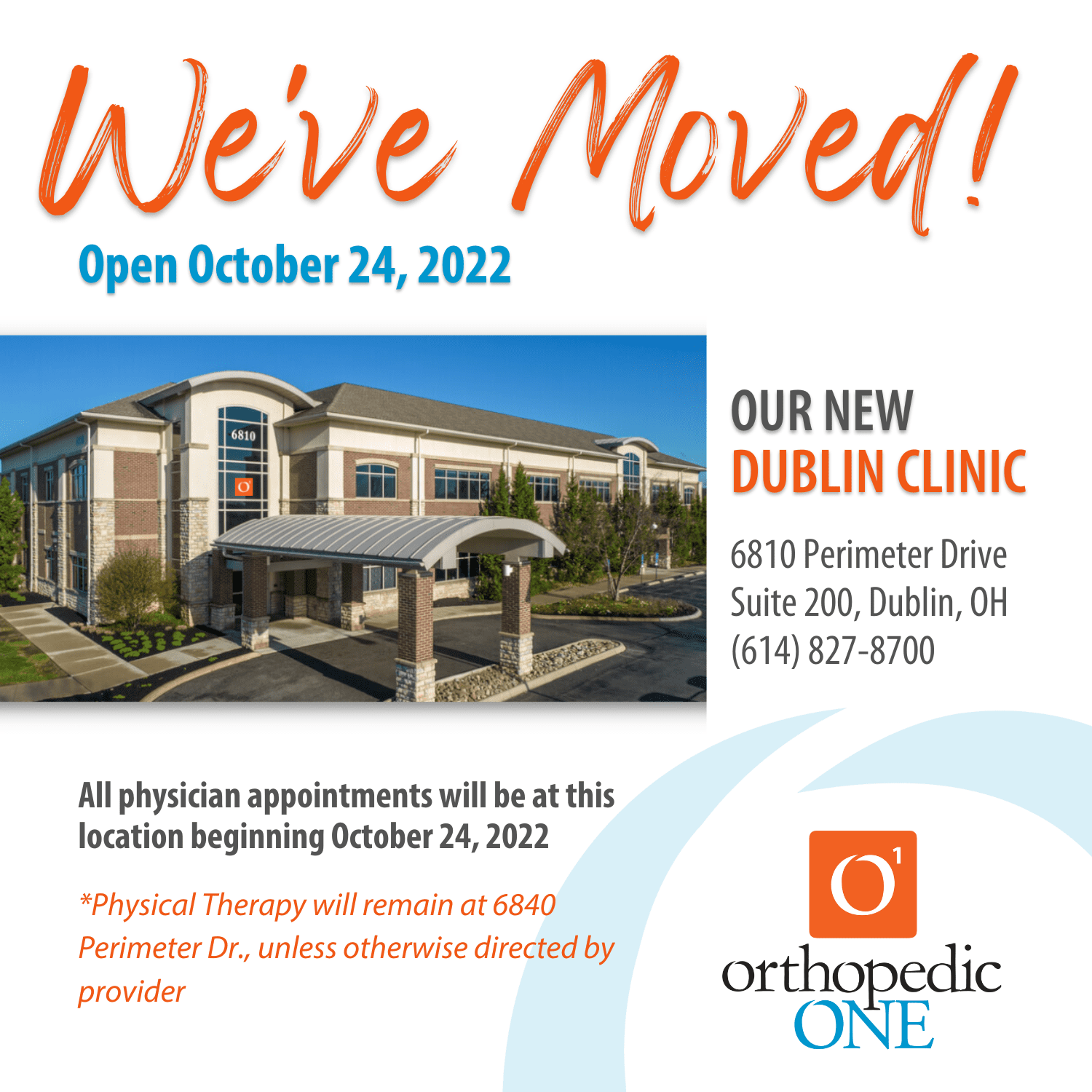
NEW ADDRESS AND NEW PROVIDERS IN DUBLIN

ORTHOPEDIC ONE PHYSICIANS NAMED TO COLUMBUS TOP DOCTORS® LIST

Mako SmartRobotics™ Hip and Knee Replacement Seminars Featuring Dr. Campbell and Dr. Biyani

Is Outpatient Total Joint Replacement Right for You?
Frequently Asked Questions
When should I see an orthopedic specialist?
Consider seeing an orthopedic specialist when pain persists, limits your movement or interferes with daily activities. A specialist can identify the cause and discuss surgical and nonsurgical treatment options. Traumatic bone or joint injuries caused by an accident or fall may require immediate orthopedic trauma and fracture care.
What is the difference between an orthopedic surgeon and a sports medicine physician?
An orthopedic surgeon treats conditions affecting the bones, joints, muscles, ligaments and tendons and can perform surgery when necessary. Sports medicine focuses on preventing and rehabilitating activity-related injuries.
Orthopedic ONE’s sports medicine program includes primary care sports medicine physicians, fellowship-trained orthopedic surgeons, athletic trainers and physical therapists. The right provider depends on the condition and whether surgical expertise may be needed.
What causes knee pain when going up or down stairs?
Pain while using stairs may need an individual evaluation because several knee conditions can cause similar symptoms. Orthopedic ONE’s knee specialists diagnose and treat conditions associated with overuse, patellofemoral pain syndrome, patellar tendinitis, muscle strains, ligament sprains, arthritis and cartilage injuries.
Can a torn meniscus heal without surgery?
Not every meniscus tear automatically requires surgery. Orthopedic ONE offers both surgical and nonsurgical treatment options for meniscus tears. A knee specialist can evaluate the location and nature of the injury and recommend an appropriate treatment plan. Learn more about the conditions treated by Orthopedic ONE’s knee specialists.
What are the treatment options for knee arthritis?
Nonsurgical treatment options may include personalized exercise, weight management, physical therapy, activity modification, corticosteroid injections and nonsteroidal anti-inflammatory drugs.
Depending on the extent of joint damage, other options may include biologic therapies, cartilage restoration, osteotomy, partial knee replacement or total knee replacement. Orthopedic ONE’s joint preservation specialists work to preserve the natural joint and delay replacement whenever appropriate.
When is a hip replacement recommended?
Hip replacement may be considered when advanced arthritis or significant joint deterioration causes ongoing pain and reduced function. Younger or active patients with early-stage arthritis, labral tears or structural hip conditions may be candidates for treatments designed to preserve the natural joint.
An orthopedic hip specialist can assess the condition and determine whether joint preservation or hip replacement should be considered.
How long does recovery take after a knee replacement?
Recovery varies according to the patient and treatment plan. The Orthopedic ONE patient education library provides a Step-by-Step Guide to Total Knee Replacement and Recovery, preoperative education and home-exercise resources. Your physician and care team will provide instructions based on your procedure and individual needs.
What is the difference between arthritis and a sports injury?
Osteoarthritis is a degenerative condition caused by cartilage breakdown. It can lead to chronic pain, swelling, stiffness and structural changes within a joint. Orthopedic ONE provides joint preservation treatments intended to relieve symptoms and slow joint deterioration.
Sports injuries are generally related to overuse, repetitive activity, collisions or falls. They may include strains, sprains, fractures, dislocations and tendon or ligament tears. These conditions are evaluated through Orthopedic ONE’s sports medicine program.