
Patient Resources

Bruce French, M.D.
Orthopedic Trauma
View all Reviews
Dr. Bruce French is a fellowship-trained Orthopedic Trauma Surgeon, with an established practice in central Ohio.
Dr. French has specialized training in the treatment of pelvic and acetabular fractures, as well as fractures that occur around major joints. He is an expert in treating open and closed fractures, dislocations of extremities, and complex articular injuries.
Dr. Bruce French is a fellowship-trained Orthopedic Trauma Surgeon, with an established practice in central Ohio. Dr. French has specialized training in the treatment of pelvic and acetabular fractures, as well as fractures that occur around major joints. He is an expert in treating open and closed fractures, dislocations of extremities, and complex articular injuries.
Dr. French received his medical degree from the University of Massachusetts Medical School, and went on to complete a General Surgery Internship and Orthopedic Residency at SUNY Downstate Health Sciences University in Brooklyn, New York. He completed his Orthopedic Trauma Fellowship at Ohio Health’s Grant Medical Center, where he went on to practice for many years.
Dr. French resides in Columbus with his wife and three children.


Commonly Treated Conditions
- Femoral Fractures
- Pelvic and Acetabular Fractures
- Radial Head Fracture
- Shoulder Fractures (Glenoid, Scapula, Proximal Humerus)
Commonly Performed Procedures

Clinic Locations
Surgery Locations
Education
-
Undergraduate :
Tufts University -
Medical School:
University of Massachusetts Medical School -
Orthopedic Residency:
SUNY Health Science Center -
Fellowship:
Orthopedic Trauma, Grant Medical Center -
Board Certification:
American Board of Orthopaedic Surgery
Titles, Honors & Awards
-
Title
Medical Director, Orthopedic Trauma at Grant Medical Center -
Awards
Castle Connolly Top Doctors
Associations
- Orthopedic Trauma Association (OTA)
- American Academy of Orthopedic Surgery (AAOS)
- Ohio State Medical Association (OSMA)
- Orthopedic Trauma Association, Research Committee
Research & Teaching
-
Research
Presenter and writer at top associations including AAOS and OTA
Patient Reviews
Related Blog Articles

Ranked #1 in Ohio and Top 5 in the Nation for Orthopedics

Sitting Pretty: Maintaining Hip Health as a Desk Worker

Orthopedic ONE Physicians Named Top Doctors®

From Head to Toe: Resolutions for Musculoskeletal Health

Protecting Your Joints: The Link Between Diabetes and Orthopedic Health
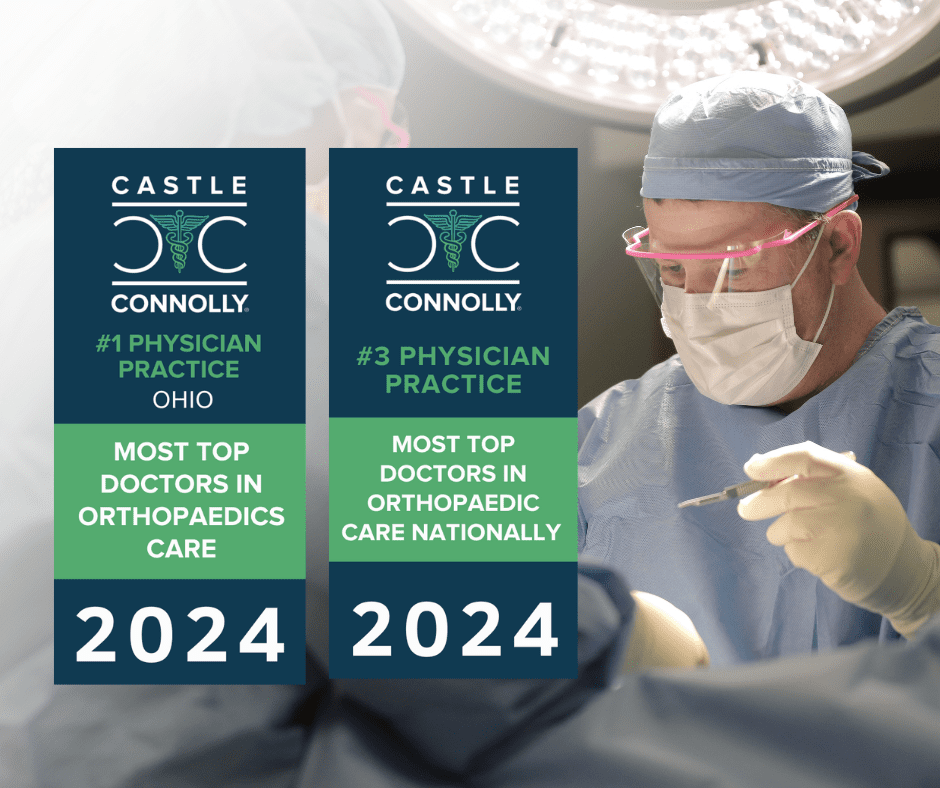
Orthopedic ONE named #1 in Ohio, and #3 in the Nation for Orthopedics

52 ORTHOPEDIC ONE PHYSICIANS NAMED TO COLUMBUS TOP DOCTORS® AND RISING STARS® LIST
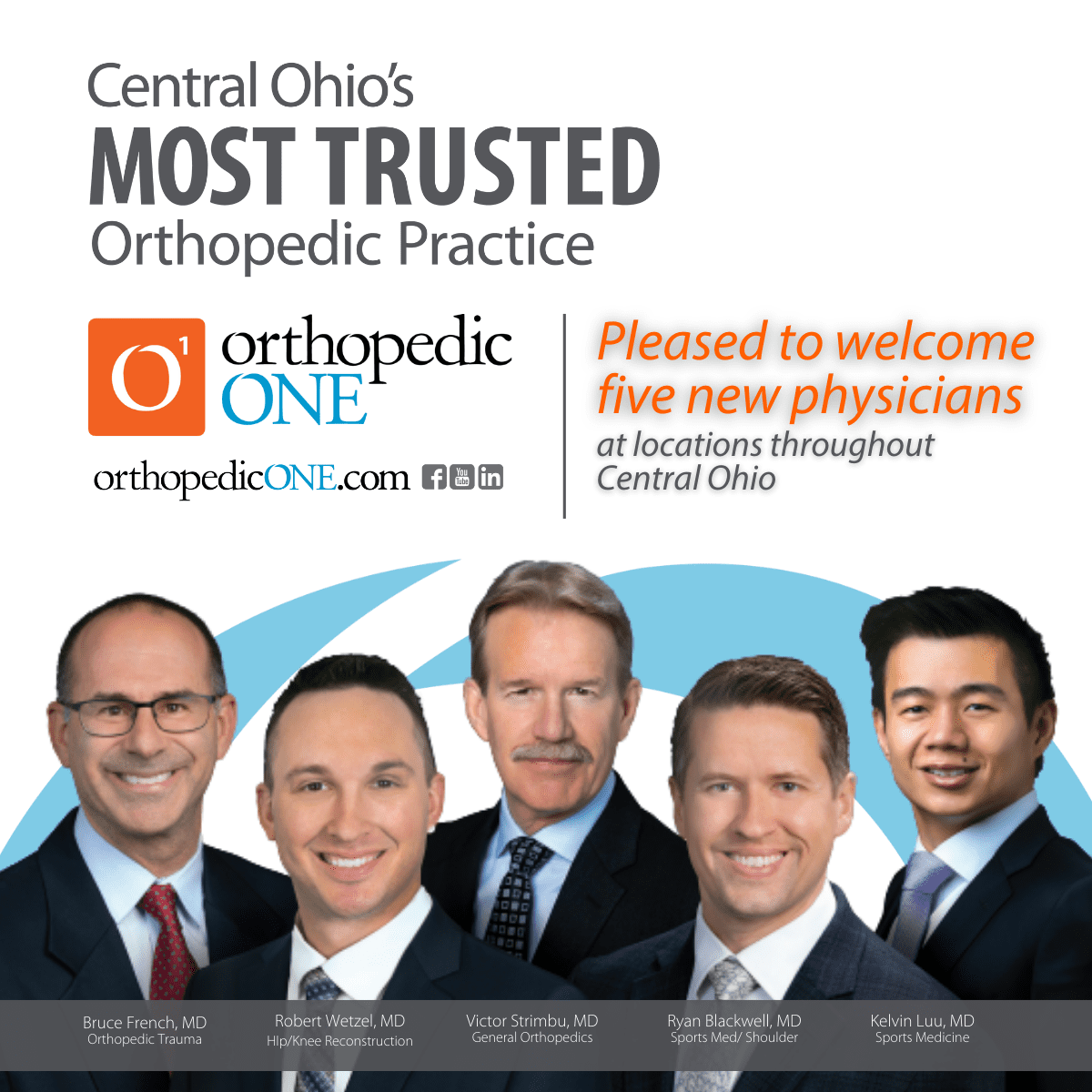
ORTHOPEDIC ONE GROWS BY FIVE NEW PHYSICIANS
Frequently Asked Questions
What is the difference between an orthopedic foot and ankle surgeon and a podiatrist?
Orthopedic foot and ankle surgeons are doctors – MDs or DOs who have completed four years of medical school, five to six years of surgical residency and an additional year of fellowship training in foot and ankle care. By comparison, a podiatrist (or DPM) is required to complete four years of podiatry school, followed by two years of residency training.
As a result of this rigorous training, orthopedic foot and ankle surgeons are not only well qualified to care for both common and complex foot and ankle issues, but possess extensive knowledge of the entire human body and its relationship to lower extremity issues. While pain may present in your foot, it’s not uncommon for the root cause of this pain to originate in your hips or back. A comprehensive understanding of the body’s entire musculoskeletal system allows an orthopedic foot and ankle surgeon to take the context of your entire health into account when diagnosing and treating problems.
Click here for a complete list of Orthopedic ONE fellowship-trained foot and ankle surgeons.
When should I see an orthopedic specialist?
Consider seeing an orthopedic specialist when pain persists, limits your movement or interferes with daily activities. A specialist can identify the cause and discuss surgical and nonsurgical treatment options. Traumatic bone or joint injuries caused by an accident or fall may require immediate orthopedic trauma and fracture care.
What is the difference between an orthopedic surgeon and a sports medicine physician?
An orthopedic surgeon treats conditions affecting the bones, joints, muscles, ligaments and tendons and can perform surgery when necessary. Sports medicine focuses on preventing and rehabilitating activity-related injuries.
Orthopedic ONE’s sports medicine program includes primary care sports medicine physicians, fellowship-trained orthopedic surgeons, athletic trainers and physical therapists. The right provider depends on the condition and whether surgical expertise may be needed.
When is a hip replacement recommended?
Hip replacement may be considered when advanced arthritis or significant joint deterioration causes ongoing pain and reduced function. Younger or active patients with early-stage arthritis, labral tears or structural hip conditions may be candidates for treatments designed to preserve the natural joint.
An orthopedic hip specialist can assess the condition and determine whether joint preservation or hip replacement should be considered.
Can physical therapy help me avoid surgery?
Yes. Physical therapy is often a first-line treatment for musculoskeletal pain and injuries. A treatment plan may include therapeutic exercise, manual treatment, pain-relief techniques, activity changes and injury-prevention education.
For some patients with osteoarthritis, physical therapy and other conservative treatments may help delay or avoid joint-replacement surgery. Learn more about Orthopedic ONE’s approach to joint preservation.
How do I know if my injury requires immediate medical attention?
Traumatic bone or joint injuries caused by accidents or falls typically require immediate attention from a trained orthopedic trauma specialist. Orthopedic ONE provides specialized trauma and fracture care for complex injuries. If you’re unsure whether your injury requires immediate care, our “Can It Wait?” resource can help you understand when to seek urgent orthopedic treatment.
Urgent appointment requests should be made by phone rather than through the online appointment form. If you have a life or limb-threatening condition or injury, you should immediately call 911 or head to your nearest Emergency Department.